Stage Command: How to Own a Room Before You Say a Word
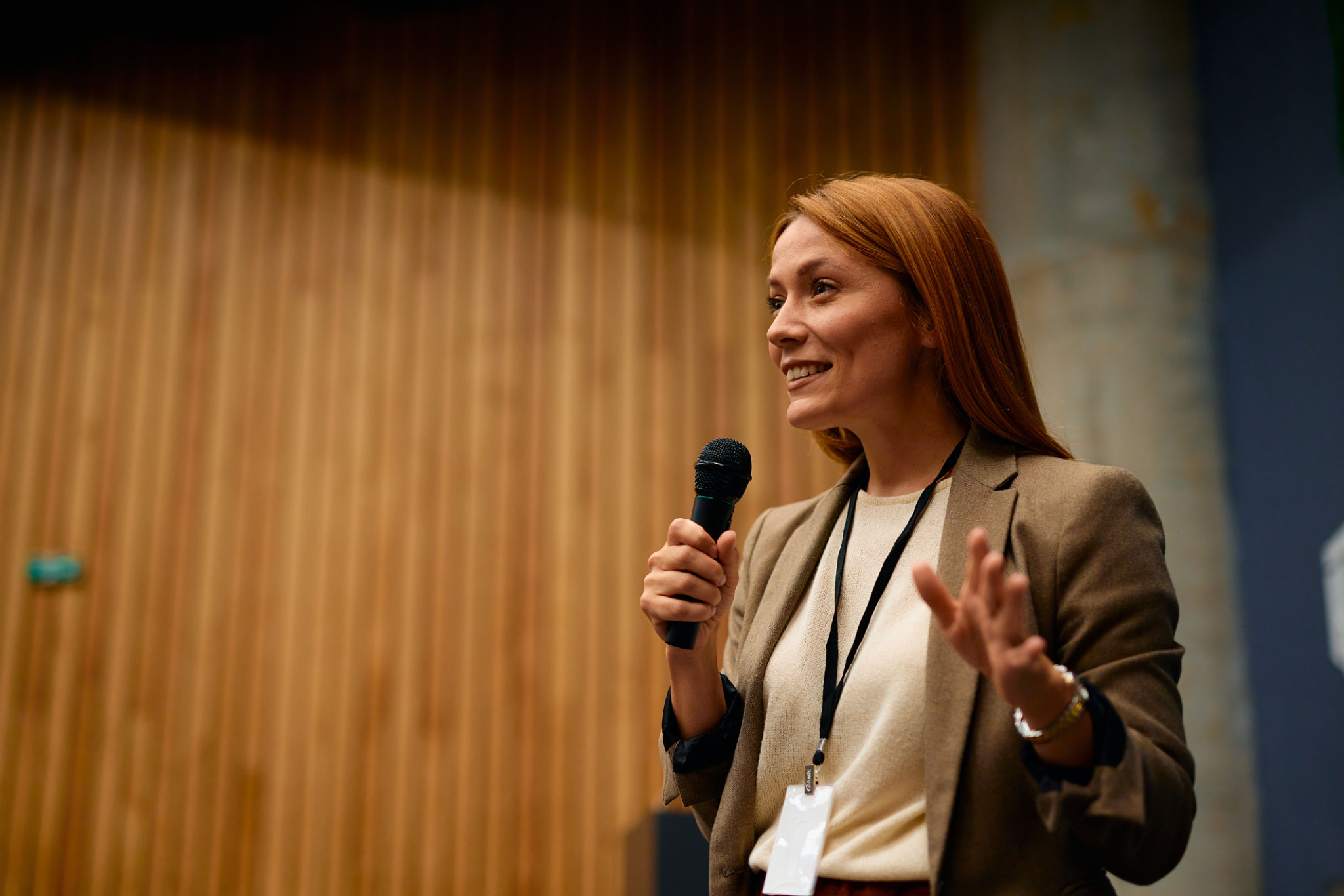
Seminar performance is not about content delivery. It is about presence, energy management, and the ability to read and shift a room in real time. Here is the framework elite presenters use.
Stage Command: How to Own a Room Before You Say a Word
Most financial advisors who run seminars spend 90% of their preparation time on content and 10% on delivery. The advisors who consistently convert seminar attendees into clients have that ratio reversed.
Content is the floor. Presence is the ceiling.
And presence — real, commanding, room-shifting presence — is not a personality trait. It is a performance skill. It can be trained, refined, and deployed with precision.
What Stage Command Actually Is
Stage command is not about being loud, charismatic, or naturally extroverted. Some of the most commanding presenters in professional services are quiet, measured, and deliberate.
Stage command is the ability to hold a room's attention, direct its energy, and create an experience that makes people feel something — not just learn something.
When you walk into a seminar room, the audience is already forming an impression before you open your mouth. They are reading your posture, your pace, your eye contact, your relationship with the space. Within 30 seconds, most of them have already decided whether you are worth their full attention.
That 30-second window is not about content. It is entirely about presence.
The Three Layers of Stage Presence
Physical presence is the foundation. How you carry yourself in the room — before, during, and after your presentation — communicates authority or uncertainty more clearly than anything you say. Advisors who arrive early, move through the room with purpose, and greet attendees individually before the presentation begins have already established a different kind of relationship than those who appear only when it's time to present.
The mechanics matter: posture, eye contact patterns, how you use the physical space, where you stand when you want to create intimacy versus authority. These are not soft details. They are performance variables that directly affect how your message lands.
Vocal presence is the instrument. Most advisors use a narrow vocal range — a flat, professional monotone that signals competence but not conviction. Elite presenters use pace, volume, and silence as deliberate tools. They slow down when they want something to land. They drop their volume when they want the room to lean in. They use silence — actual silence — to let a point breathe.
Silence is the most underused tool in seminar performance. Most advisors are terrified of it. The ones who master it own rooms.
Emotional presence is the differentiator. An audience can sense whether a presenter is genuinely invested in the room or simply executing a presentation. Emotional authenticity — the willingness to be real, specific, and occasionally vulnerable — creates a quality of connection that no amount of polished content can replicate.
This does not mean being unprofessional or oversharing. It means being present enough to respond to what is actually happening in the room, rather than delivering a rehearsed performance regardless of the audience's energy.
Reading the Room in Real Time
The most important skill in seminar performance is not presenting. It is reading.
Every room has an energy — a collective emotional state that shifts throughout the presentation. Elite presenters track that energy continuously and adjust in real time.
Signs the room is engaged: forward body posture, eye contact, nodding, questions that build on previous points, laughter that comes easily.
Signs the room is losing interest: backward posture, phone checking, side conversations, eyes that drift to the exits, questions that feel like challenges rather than curiosity.
When you notice the room shifting, the instinct is to push harder — to add more energy, more content, more enthusiasm. This almost always makes it worse.
The counterintuitive move is to slow down. Ask a question. Create a moment of participation. Change the physical dynamic — move to a different part of the room, invite someone to share a thought, shift from presenting to conversing.
The goal is not to deliver a presentation. The goal is to create an experience that makes people want to continue the conversation after the room clears.
The First Impression Framework
The first five minutes of any seminar set the emotional tone for everything that follows. Most advisors waste them on logistics — housekeeping, introductions, agenda reviews.
Elite presenters open with something that immediately establishes relevance, credibility, and emotional connection. Not a story about themselves. A story about the person in the room.
The most powerful opening line in seminar performance is not "Let me tell you about my background." It is "Let me tell you what I've noticed about the people in this room."
When you demonstrate that you understand the specific pressures, fears, and aspirations of the people sitting in front of you — before you've asked them a single question — you establish a level of credibility that no credential or case study can match.
That is Stage Command. And it starts before you say a word.
The Conversion Conversation
Seminar performance is not complete when the presentation ends. The most important moment is the transition from the room to the individual conversation.
Elite advisors design this transition deliberately. They know exactly what they want attendees to feel, think, and do in the 10 minutes after the presentation concludes. They have a specific next step — not "call me if you have questions," but a clear, low-friction invitation to continue the conversation.
The quality of that invitation is a direct reflection of the quality of the presence that preceded it. When you have genuinely commanded the room — when people feel understood, not just informed — the next step feels natural rather than transactional.
That is the difference between a seminar that fills your calendar and one that fills a room.
Explore Topics
Written by
Jeff Thompson, MillionDollarQB™
Performance coach and founder of MillionDollarQB™.
